
A Tenant-at-Will (TAW) contract is a favourable option in Georgia because it involves an oral or written agreement with no specified end date; a TAW typically continues on a month-to-month basis.
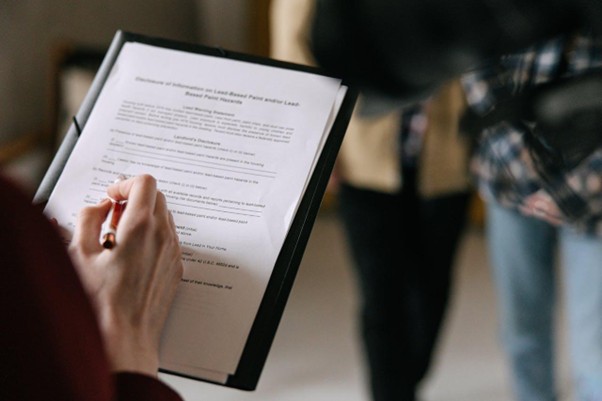
A TAW may be suitable for your situation if you are dealing with holdover tenants who stay beyond the expiration of a lease or provide temporary housing for individuals without a lease, such as students. However, even though a TAW would be welcomed in these situations due to its informality, there are risks associated with the agreement, and it all hinges on you, the landlord.
Read below as we discuss how you should be aware of how a tenant at will works, its possible pros and cons, and what you should know in order to protect your Atlanta rental investment from an unwanted and costly surprise.
What is a Tenant at Will in Georgia, and How Does It Work?
A Tenant-at-Will (TAW) in Georgia is a rental agreement that does not have any clearly defined termination date, and is created without a formal lease, but established verbally or in writing under state law (O.C.G.A. § 44-7-6).
The tenancy-at-will arises in normal circumstances when:
- A fixed lease period has expired, and the tenant remains in the property with your consent (without a new lease agreement)
- You make an actual agreement regarding a tenancy-at-will, so long as other conditions are met.
The tenancy-at-will then continues on automatically according to the payment timeline (most typically, month-to-month). Both parties can terminate the tenancy-at-will by giving 60 days’ written notice as required by Georgia law.
In most situations, the landlord or tenant does not have to have a “cause” for terminating the TAW as long as the landlord provides written notice to the tenant and the tenant provides the same written notice to the landlord.
Although having a tenant-at-will may seem appealing, without the restriction of a lease, there are no clear rules regarding animals or pets, maintenance/utility responsibilities, etc. The absence of a lease leaves holes in enforcement and exposes you to sudden vacancy risks.
This is why savvy real estate investors partner with property managers to ensure all boxes are checked and their property remains safe. A reliable Atlanta property management company helps ensure your property stays occupied and well-maintained.
Understanding the Rights and Responsibilities of Landlords in Georgia

Image Alt Text: Man in Yellow Safety Reflective Vest with Hard Hat Doing House Inspection
It is important for renters to know what is a tenant at will in Georgia to understand their rights and responsibilities under state law. A flexible Tenant-at-Will (TAW) agreement under Georgia law still places several strict requirements on you.
You maintain a few key rights, but you also have non-negotiable obligations, which, ignoring them, could lead to legal battles, fees, or an invalid eviction.
1. Provide Habitable Premises
Under Georgia’s “implied warranty of habitability” (O.C.G.A. § 44-7-13), you are obligated to provide a safe, habitable property. This means you have a duty to maintain plumbing, heat (in the winter), electricity, the integrity of the structure, and pest prevention. Properties in Atlanta also must be maintained in accordance with the city’s housing code.
If you fail to uphold your duty of habitability, a tenant may withhold rent or bring a lawsuit for repairs. Habitability is not something that can be waived in any agreement. Regular inspections, such as Routine Property Inspections (RPIs), will help avoid little issues becoming big ones.
2. Make Repairs Promptly
When tenants share any situation that might affect habitability (e.g., leaks, HVAC failure), they will expect you to repair the problem in a “reasonable” time (typically 14–30 days, in Georgia). Delaying repair may justify repair-and-deduct actions or lease termination. Landlords in Atlanta must also abide by city-specific rules for “renovictions”.
If the task isn’t an emergency, put your agreement in writing so that both parties have the same expectations. Document all requests and document your responses. In the case of an oral tenancy-at-will, if the expectations of both parties are not clear, disputes are likely to increase; therefore, it is essential to define what constitutes “important” at the outset.
3. Handle Security Deposits Lawfully
Georgia law (O.C.G.A. § 44-7-33) states that:
- Deposits must be retained in a licensed bank in the United States.
- Deposits must be returned within 30 days of vacating.
- Deductions must be accompanied by an itemized list of damages (beyond normal wear) and the costs to repair those damages.
Failure to comply could expose you to liability for three times the amount withheld from the tenant. Atlanta landlords are frequently in lawsuits regarding improper deductions, so take plenty of pictures of the property before the tenant moves in and after the tenant moves out.
4. Give Proper Entry Notice
You can enter for repairs, inspections, or showings, but you must provide 24 hours’ notice unless it’s an emergency (e.g., fire). Without notice, tenants can refuse you entry. When dealing with TAW tenancies, provide written notice of your entry rules to avoid conflict. Although “reasonable” notice is legally required, if notice is less than 24 hours’ notice, generally, Atlanta courts will side with the tenant.
5. Deliver Valid Termination Notices
To terminate a TAW tenancy, you must provide a written notice of 60 days (O.C.G.A. § 44-7-7). This gives tenants time to either renew the lease or properly plan a successful relocation. A notice for a shorter period (i.e., 30 days) is void. You must specify the exact termination date (for example, “August 31, 2025”).
Please send the letter via certified mail for proof. Retaliatory evictions (i.e., after a request for repairs) are illegal.
6. Comply With Fair Housing Laws
Federal and Georgia laws forbid discrimination due to race, religion, gender, disability, or familial status (e.g., children) and also apply to a TAW termination, rental increases, and repairs.
Denying a reasonable accommodation to a tenant due to their disability can result in fines and liability of up to $100,000. Because of the diverse tenants in Atlanta, TAW landlords must comply strictly with all applicable laws.
7. Follow Legal Eviction Procedures
In the event that a tenant of TAW (tenancy at will) refuses to leave in response to a notice of 60 days, do not resort to self-help (for example, changing the locks). File a “dispossessory” action in court (O.C.G.A. § 44-7-50).
Courts in Atlanta will require evidence of proper notice and the terms of the lease. Being guilty of an illegal lockout can require you to pay the tenant three times the damages and the attorney fees paid by the tenant.
How to Transition a Tenant at Will to a Formal Lease Agreement
Relying on an informal Tenant-at-Will (TAW) arrangement long-term puts your Atlanta property at risk, both financially and legally. A formal lease provides a new level of stability. You can make an easy transition by following these steps to protect your investment and maintain good relations with your tenant.
1. Prepare the Formal Lease Terms
Create a complete lease agreement that also aligns with Georgia local renting laws. Identify the lease term (e.g., 12 months, rent amount, date payments are due, late fees, maintenance responsibilities, pet policies, occupancy limits, etc.) Include clauses that comply with O.C.G.A. statutes and the city of Atlanta Housing Codes.
Be specific about penalties for lease violations. Clear lease agreements prevent disputes. Consider having a property management company in Atlanta review your current lease for compliance and enforceability.
2. Provide Written Notice Terminating the TAW
Legally terminate an active TAW tenancy by giving a 60-day written notice of termination (O.C.G.A. § 44-7-7). You can say: “Your Tenant-at-Will agreement for [Property Address] will terminate on [Date].”
Don’t forget to mail it, via certified mail or return receipt requested. This notice will terminate the TAW, but it will not require the tenant to move out. It will set a deadline for the tenant to sign the new lease or leave.
3. Present the New Lease Offer Concurrently
When serving the 60-day TAW termination notice, also provide the new lease agreement. Include a cover letter: “To continue living at [Address] beyond [Termination Date], please sign the enclosed lease by [Date, e.g., 30 days before termination].” This gives the tenant a clear choice: sign the lease or move out when the TAW ends.
4. Allow Time for Review and Negotiation
Allow tenants a minimum of 7-14 days to carefully review the lease terms. Be reasonable and flexible where it does not substantially affect your interests (i.e., minor pet restrictions, timelines for routine repairs, etc.)
If you are not adjusting the rent, the security deposit, or the duration of the lease based on changed market conditions, do not approach the negotiation any differently than you might with a stranger. Document all agreed-upon modifications in writing via a lease addendum prior to signing.
5. Execute the Lease Before the TAW Ends
You will need to ask the tenant to sign the lease prior to the TAW termination date (preferably at least 1–2 weeks prior). If the lease is signed, it is effective immediately or on the TAW termination date.
You will specify this in the lease agreement. You will also provide the tenant with a fully executed copy. It is important to note that once the tenant has signed the new fixed-term lease, the TAW has replaced the fixed-term lease. Thus, the tenant is now bound to the fixed-term lease.
6. Handle Rent and Deposits Correctly
Document the transfer of the existing security deposit to the new lease. Pro-rate rent when the lease starts after the 1st of the month. Only collect new deposits if the terms of the new lease require them (for example, a pet deposit). A TAW deposit cannot be withheld to induce lease signing—this violates GA law (O.C.G.A. § 44-7-33).
7. Address Tenant Refusal Tactfully
If the tenant refuses to sign, then contact them again, letting them know that the TAW will end on the date in the 60-day notice. Now prepare to turnover the property, schedule the move-out inspection, market the property, and screen new applicants.
And always, never retaliate (i.e., turn off utilities). If they remain after the end date of the termination, then, with no signed lease, file a dispossessory warrant (eviction lawsuit) as soon as possible.
Conclusion
While Georgia’s Tenant-at-Will agreements do provide a lot of flexibility to landlords for short-term arrangements, they also expose your Atlanta property to substantial financial and legal risks that are avoidable altogether.
However, you legally protect your investment by understanding the 60-day notice requirement, the eight essential responsibilities you have as a landlord, and the sooner you can transition tenants into a lease document, the better.
With these tips, you get consistency in occupancy, enforceable house rules, and fewer disputes over rent payments.
