
What Your Foundation Is Trying to Tell You: Early Signs of Trouble in New England Homes
York, United States - February 20, 2026 / Crack-X Maine /
New England homeowners face a distinct set of foundation challenges. Spotting early warning signs can save you money and keep your home safe. This article walks through the common indicators of foundation trouble, explains how the region’s soils and weather contribute to problems, outlines effective waterproofing strategies, and tells you when to book a foundation inspection. Catching issues early gives you more repair options and helps protect your property long term.
What Are the Early Signs of Foundation Damage in New England Homes?
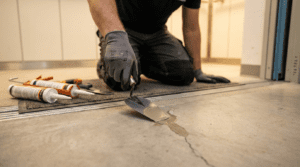 Catching foundation damage early makes repairs simpler and less expensive. Look for three common warning signs: visible wall cracks, damp patches, and persistent musty odors. These clues are easy to miss but often point to moisture or movement that needs attention.
- Visible Wall Cracks : Cracks in interior or exterior walls can mean your foundation is settling or shifting. Vertical cracks usually point to settling; horizontal cracks are more likely a sign of structural stress.
- Damp Patches : Wet spots on walls or floors often mean water is getting in — and moisture trapped against a foundation weakens it over time.
- Musty Odors : A lingering musty smell is a red flag for mold or mildew caused by excess moisture, which is frequently tied to foundation or drainage problems.
Noticing any of these signs early lets you act before small problems become major repairs.
How to Identify Different Types of Foundation Cracks
The shape and direction of a crack reveal what’s happening beneath your home. Vertical cracks commonly signal normal settling, especially in clay soils found across New England. Horizontal cracks suggest lateral pressure — often from water-soaked soil pushing on the wall. Stair-step cracks in brick or block walls indicate movement along mortar joints and should be watched closely.
What Symptoms Indicate Structural Damage from Foundation Issues?
Some symptoms point to more serious structural damage and warrant prompt attention. Repeated basement flooding is a clear danger — it accelerates deterioration and promotes mold. Large or widening cracks in walls or floors can mean uneven settling or shifting. If you see these signs, document them and consult a professional without delay.
How Does New England’s Soil and Climate Affect Home Foundations?
Soil type and seasonal weather in New England hugely influence foundation performance. Clay-rich soils hold water, then swell and shrink as moisture levels change, putting stress on foundations. Freeze-thaw cycles make those movements worse, opening and widening cracks over time.
These localized soil behaviors — especially in expansive clays — have long been a concern for regional foundations.
Foundation Issues: Clay Soil Expansion & Shrinkage
Growing attention has focused on foundation problems tied to the expansion and contraction of certain clay soils and clayey bedrock materials.
Expansive clays–properties and problems, 1959
What Soil Types Impact Foundation Stability in New England?
Clay soils are the usual culprits for foundation headaches in New England because they trap water and change size. Sandy soils drain more readily and are less likely to cause those same movements. Knowing the soil type on your property helps you anticipate risks and choose the right mitigation strategies for long-term foundation stability .
Research continues to show that wetter, expanded states of clay soils significantly increase foundation stress.
Expansive Clay Soils: Foundation Impact & Wet Conditions
Studies show that clay foundation soils—often found in a wetter or expanded state—have a strong influence on foundation performance and stress.
Expansive soil test site near Newcastle, DW Smith, 2004
How Does Moisture and Seasonal Weather Cause Foundation Problems?
Moisture and seasonal shifts drive many foundation failures. Heavy rainfall raises hydrostatic pressure around foundation walls, encouraging cracks and leaks. Freeze-thaw cycles then widen those openings, letting even more water in. Understanding these seasonal patterns helps you plan maintenance and waterproofing before problems start.
Those environmental pressures have also changed how foundations are built and reinforced across the region.
New England Foundation Trends: Piles in Sandy & Clay Soils
In New England, there’s increased use of high-capacity H-piles driven to rock and newer, shallow pipe piles in sandy or clay soils as contractors adapt to local ground conditions.
Recent Trends in Driven Pile Foundations in New England, 2021
What Are Effective Waterproofing Solutions for New England Homes?
Good waterproofing reduces water intrusion and protects foundation materials. When chosen and installed correctly, these systems extend the life of your foundation and lower long-term repair costs.
- Perimeter Drainage Systems : These systems collect and redirect water away from the foundation, easing hydrostatic pressure and preventing buildup around your walls.
- High-Performance Waterproof Membranes : A durable membrane applied to the foundation exterior forms a continuous barrier against moisture.
- Sump Pumps : A properly installed sump pump removes accumulated water from basements, giving extra protection when drainage alone isn’t enough.
Installing and maintaining the right combination of these solutions can greatly improve a foundation’s resilience.
Which Waterproofing Systems Prevent Basement Water Intrusion?
Exterior waterproofing keeps water from reaching the foundation in the first place, while interior drainage systems collect and channel any infiltrating water to a sump. Together, those measures — plus a reliable sump pump — help keep basement water out and lower humidity that fosters mold.
How to Maintain Waterproofing to Protect Your Foundation?
Regular checks keep waterproofing effective. Inspect membranes and exterior drains for damage or blockages, clear gutters and downspouts, and test sump pumps before heavy rains. Routine maintenance prevents small issues from turning into persistent leaks.
When Should You Schedule a Home Foundation Inspection?
Scheduling professional foundation inspections on a regular cadence helps you catch issues early. Aim for an annual check — and definitely after major storms, rapid thawing, or noticeable changes in your home.
What Does a Comprehensive Foundation Inspection Include?
A thorough inspection reviews visible cracks, measures moisture levels, and evaluates overall foundation condition. Inspectors check for settling, lateral movement, and signs of water intrusion, then explain findings and recommend next steps.
How to Use a Homeowner’s Foundation Inspection Checklist?
A checklist keeps inspections focused. Look for new or widening cracks, damp spots, uneven floors, and musty smells. Photograph and date each finding, track changes over time, and bring the documentation to your contractor or inspector for an informed evaluation.
What Are Your Foundation Repair Options and Costs in New England?
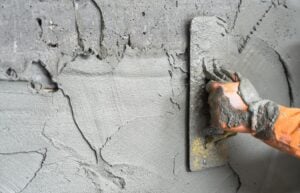 When foundation problems appear, several repair methods are available. Knowing the options and typical costs helps you choose the most appropriate solution for your situation.
- Epoxy Injections for Small Cracks : A common way to seal hairline and small cracks; typically costs between $500 and $1,500 depending on the extent of the work.
- Polyurethane Foam for Larger Gaps : Used to fill larger voids and stop active leaks; costs generally range from $1,000 to $3,500.
- Carbon Fiber for Stabilization : A reinforcement method for bowing walls; prices usually fall between $500 and $3,000.
Always consult a qualified contractor to confirm which method fits your condition and to get an accurate quote.
Which Repair Methods Address Common Foundation Problems?
Small, non-structural cracks often respond well to epoxy. Active leaks and larger gaps typically need polyurethane injections. Walls that are bowing or losing structural integrity can benefit from carbon-fiber reinforcement. A professional assessment will match the repair to the problem.
How Much Does Foundation Repair Typically Cost in New England?
Repair costs vary with the technique used and the damage extent. Minor fixes can start around $500, while more involved repairs rise into the thousands. Get multiple quotes and ask for itemized proposals to compare scope and price accurately.
Frequently Asked Questions
What are the long-term effects of ignoring foundation issues?
Leaving foundation issues unchecked can lead to serious consequences: expanding structural damage, steeply rising repair bills, reduced property value, and health risks from mold. Minor cracks can grow, and moisture can compromise building materials — so prompt attention is essential.
How can I prevent foundation problems in my home?
Prevent problems with good drainage and routine care: keep gutters and downspouts clear, grade soil to slope away from the foundation, avoid excessive watering close to the house, and be mindful of large tree roots. Regular inspections and quick fixes for minor issues go a long way.
What should I do if I notice signs of foundation damage?
If you spot cracks, dampness, or unusual movement, document what you see with photos and dates, monitor any changes, and contact a professional foundation inspector. Avoid DIY structural fixes — improper repairs can make the problem worse.
Are there specific building codes for foundations in New England?
Yes. New England municipalities follow building codes and local regulations that cover foundation construction and repair, taking regional soil and climate into account. Consult local building authorities or a licensed contractor to ensure any work complies with rules where you live.
How often should I have my foundation inspected?
Plan for at least one annual inspection, and schedule an extra check after heavy storms, rapid snowmelt, or if you notice signs like new cracks or water intrusion. Regular inspections help you catch issues before they escalate.
What are the signs that my basement waterproofing system is failing?
Warning signs include visible water entry, spongy or damp walls and floors, persistent musty odors, mold growth, new foundation cracks, and rising basement humidity. Regular checks and maintenance of the system help ensure it continues to protect your foundation.
Conclusion
Recognizing early foundation warning signs — wall cracks, damp patches, and musty odors — gives New England homeowners a real advantage. Pair regular inspections with sensible waterproofing and drainage maintenance to protect your investment and keep your home safe. Explore our resources to learn more about preserving a healthy foundation.

Contact Information:
Crack-X Maine
647 US-1 14
York, ME 03909
United States
Doug Chirichiello
(207) 618-9380
https://crackx.com/
