
Ensuring Safety in Michigan Construction with MIOSHA Compliance Rules
Milford, United States - January 30, 2026 / Merlo Construction /
MIOSHA Construction Standards Every Michigan Project Must Follow
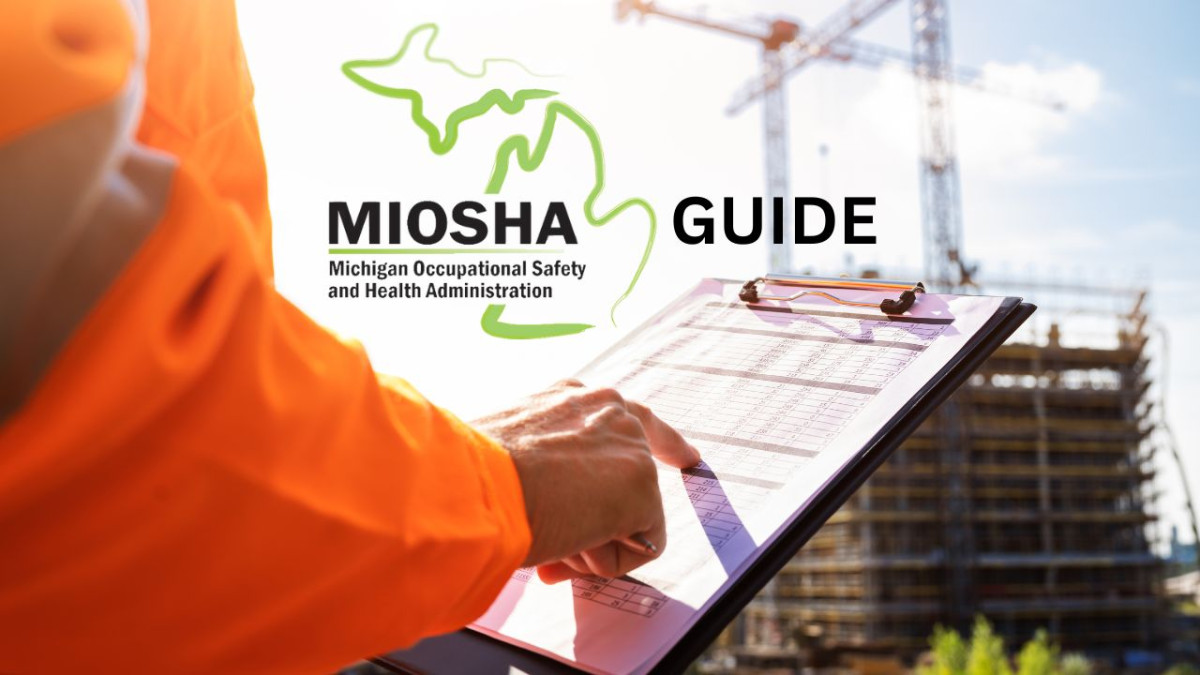
MIOSHA Construction Standards Every Michigan Project Must Follow
Construction is a driving force behind growth in Michigan communities, from downtown developments to expanding commercial districts across Southeast Michigan. With this progress comes responsibility. Construction remains one of the most hazardous industries in the nation, and safety is essential to protect workers, prevent delays, and avoid penalties.
In Michigan, companies must comply not only with federal OSHA rules but with state specific regulations under the Michigan Occupational Safety and Health Administration, known as MIOSHA. Because MIOSHA operates an OSHA approved State Plan, construction standards must meet or exceed federal OSHA requirements found in 29 CFR Part 1926.
This article is the ultimate guide that outlines the most important MIOSHA standards that every Michigan construction project must follow, and explains how the right partner can help ensure safety throughout the process.
MIOSHA and OSHA Requirements in Michigan
MIOSHA administers workplace safety rules under Act 154 of 1974, which mandates that employers provide a workplace "free from recognized hazards" that may cause injury or death. MIOSHA routinely inspects Michigan construction sites, and violations can lead to steep financial penalties, work stoppages, and reputational damage.
For Michigan construction companies, MIOSHA governs areas including:
- Construction health and safety standards
- Employee training and hazard communication
- Workplace injury reporting and record keeping
- Emergency response and incident protocols
Fall Protection Requirements
Falls are the leading cause of death in construction nationwide. MIOSHA’s construction fall protection standards (Part 45, aligned with OSHA 29 CFR 1926 Subpart M) require employers to protect workers exposed to falls of 6 feet or more. Key components include:
- Guardrail systems around open edges
- Safety net systems on elevated surfaces
- Personal fall arrest systems (full-body harness, lanyard, anchorage)
- Training on correct use and inspection of fall protection equipment
Scaffolding Safety
Scaffolding is widely used in Michigan commercial construction. MIOSHA Part 12 (federal equivalent 29 CFR 1926.451) require scaffolds to be structurally sound and inspected before each shift. A competent person must verify that scaffold components are in safe condition before work begins. The standards include:
- Scaffolds must support four times their maximum intended load
- Platforms must be fully planked
- Guardrails required on scaffolds over 10 feet
- Daily inspections by a "competent person"
- Safe access via ladders, ramps, or stair towers
Proper scaffolding prevents collapses, falls, and trips. Routine inspections ensure no missing guardrails, damaged planks, or unstable footings.
Ladder Use Safety
Ladders are present on almost every job site, yet they are often misused. MIOSHA Part 11 (federal equivalent 29 CFR 1926.1053) outlines proper ladder use and maintenance. These rules prevent preventable injuries from falls due to unstable or damaged ladders.
- Use of ladders rated for intended load
- Angle ratio of 4:1 for extension ladders
- Stable, secured base—no stacked materials underneath
- Prohibition of standing on top cap of stepladders
- Removal from service if bent or damaged
Personal Protective Equipment (PPE)
Under MIOSHA Part 33 (and OSHA 29 CFR 1926 Subpart E), employers must assess hazards and provide adequate PPE at no cost to employees. Required PPE often includes:
- Hard hats
- ANSI-approved safety glasses
- High-visibility vests
- Steel-toe boots
- Hearing protection
- Respiratory masks
- Cut-resistant gloves
Michigan construction job sites frequently involve heavy machinery, sharp rebar, concrete tools, and dust exposure, making PPE essential. Merlo’s safety culture includes mandatory PPE use and regular safety talks, reminding teams of risks and proper equipment.
Hazard Communication (HazCom)
Workers must know about any chemical hazards they encounter. Hazard communication rules under MIOSHA Part 42 (OSHA 29 CFR 1926.59) requires:
- Labeling of hazardous chemicals
- Access to Safety Data Sheets (SDS) at all times
- Employee training on how to handle chemical exposures
- Written hazard communication plans
On concrete projects, this applies to materials like curing agents, adhesives, sealers, and fuel for machinery.
Trenching and Excavation Safety
Excavation hazards, such as trench cave-ins, are among the deadliest construction risks. MIOSHA Part 9 (OSHA 29 CFR 1926 Subpart P) requires:
- Cave-in protection (sloping, shoring, shielding) for trenches 5 feet deep or more
- Safe ways (ladders, ramps) must be within 25 feet for trenches 4 feet or deeper
- Daily inspections by a competent person, and after rain, vibration, or other changes
- Keep excavated soil and heavy equipment at least 2 feet from the edge
Merlo Construction incorporates trench shielding and trained inspectors on site to ensure workers installing underground utilities or site foundations remain safe.
Electrical Safety Requirements
Electric shock incidents often occur during site preparation and equipment operation. MIOSHA Part 17 (OSHA 29 CFR 1926 Subpart K) includes:
- Ground Fault Circuit Interrupters (GFCIs) on temporary power
- Lockout/tagout procedures during maintenance
- Minimum clearance of 10 feet from power lines
- Prohibition on using damaged cords
Electrical compliance prevents burns, fires, and fatal electrocutions, especially during early-stage construction and concrete placement involving corded tools.
Summary of Key Standards
| Standard | MIOSHA Part | Federal Equivalent (29 CFR) | Key Requirement | Why It Matters |
|---|---|---|---|---|
| Fall Protection | Part 45 | Subpart M | Protection required at 6 ft+ | Prevents fatal falls |
| Scaffolding | Part 12 | Subpart L | Must support 4× load; guardrails on 10 ft+ | Prevents collapses & falls |
| Ladders | Part 11 | Subpart X | Proper placement, rated load, inspections | Prevents ladder-related injuries |
| PPE | Part 33 | Subpart E | Employer provides PPE | Reduces injury from physical hazards |
| Hazard Communication | Part 42 | 1926.59 | SDS access, chemical labeling | Protects workers from chemical exposure |
| Trenching & Excavation | Part 9 | Subpart P | Cave-in protection; competent person | Prevents trench fatalities |
| Electrical Safety | Part 17 | Subpart K | GFCIs, lockout/tagout, safe clearance | Reduces electrocution risk |
Why These Standards Matter and How We Can Help
Safety is not optional. It is a fundamental part of a successful project. Michigan construction teams that understand and follow MIOSHA requirements create safer environments, protect their workforce, and avoid costly legal issues. These rules preserve life, build trust, and secure long term reputations.
We at Merlo Construction bring decades of experience to concrete flatwork, excavation, and large scale development projects throughout Southeast Michigan. Whether your project involves commercial concrete, demolition, earthwork, underground utilities, or heavy rigging, our experienced team handles multiple facets seamlessly while prioritizing the safety of every worker on site.
If your upcoming construction project demands expert craftsmanship and strict safety compliance, Merlo Construction is ready to help. Contact us today to request a quote, discuss project needs, or learn more about how we ensure MIOSHA compliance.
Contact Information:
Merlo Construction
4964 Technical Drive
Milford, MI 48381
United States
Brian Misaras
(248) 714-5486
https://merlomichigan.com/


