The U.S. Department of Agriculture says food-borne illness is the cause of 128,000 hospitalizations and 3,000 deaths each year.
Salt Lake City, UT (PRUnderground) June 12th, 2026
About 48 million Americans—or 1 in 6 people—get sick from food-borne illnesses every year. Those illnesses can cause symptoms such as nausea, stomach cramps, vomiting, diarrhea, and fever.
If that’s not bad enough, food-borne illnesses can also become very serious. According to the U.S. Department of Agriculture, food-borne illness is the cause of 128,000 hospitalizations and 3,000 deaths each year.
As temperatures rise in the summer, so does the risk of food-borne illness. Heat creates an ideal environment for harmful bacteria to grow rapidly, making proper food safety practices essential.
“Food safety in the summer comes down to good hand hygiene, temperature control, and timing. A little planning can prevent a lot of illness,” said Carly Alba, a registered dietitian nutritionist at Intermountain Health in the Salt Lake City area.
People who are most at risk for food-borne illness
• Young children, older adults, pregnant individuals, and those with weakened immune systems are at higher risk for food-borne illness.
• Take extra precautions when serving these groups.
Certain foods carry a higher risk of food-borne illness:
- Fresh produce
- Poultry
- Meat
- Eggs
- Unpasteurized dairy products
- Seafood
How to keep food safe during hot weather
Understand the danger zone
• Bacteria grow most quickly between 40°F and 140°F. Foods left in this range for too long can become unsafe to eat.
• On days above 90°F, perishable foods should not sit out for more than one hour.
Keep cold foods cold
• Store perishable foods at 40°F or below in a refrigerator or insulated coolers with ice packs.
• Keep coolers out of direct sunlight and open them as little as possible.
• Store beverages in a separate cooler to maintain food temperature.
Keep hot foods hot
• Hot foods should be kept at 140°F or higher. Use insulated containers when transporting food, and use warming equipment when serving.
• If you can’t maintain a safe temperature, refrigerate foods promptly instead.
Cook foods thoroughly
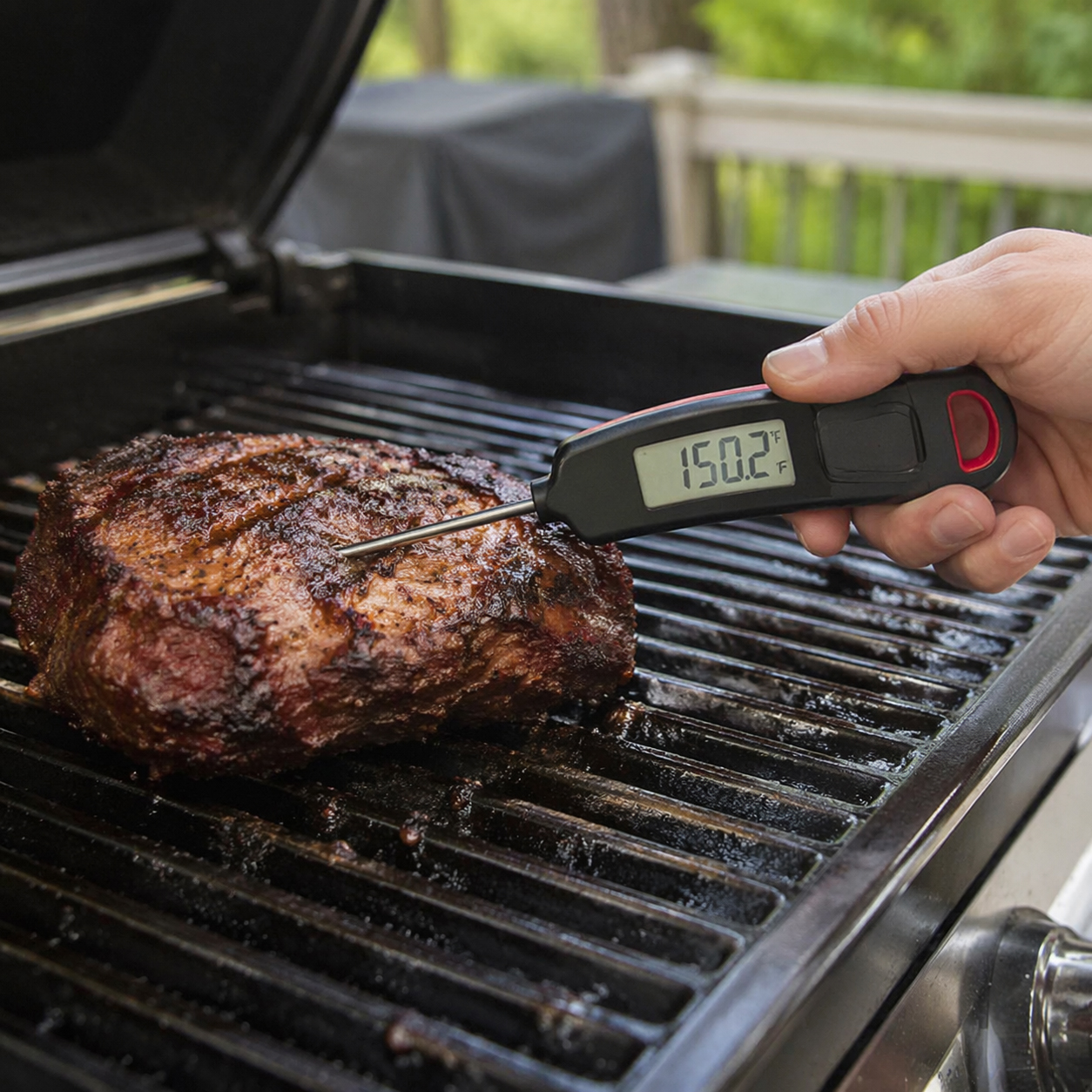
• Use a food thermometer to ensure proper internal temperatures.
• Ground meats should reach 160°F and poultry should reach 165°F.
• Don’t rely on color alone to determine doneness.
Prevent cross-contamination
• Wash hands frequently, especially when preparing food outdoors.
• Keep raw meat, poultry, and seafood separate from ready-to-eat foods.
• Use separate cutting boards, utensils, and plates for raw meat. Wash thoroughly in hot soapy water after use.
Smart picnic and barbecue tips
• Serve food in small batches and replenish from chilled storage as needed.
• Choose items that hold up well in the heat, such as whole fruits, nuts, and shelf-stable foods.
• Keep mayonnaise-based or dairy-heavy dishes chilled until serving.
Travel and storage tips
• Never leave groceries or prepared foods in a hot car.
• Make grocery shopping your last stop before heading home.
Maintaining proper food temperatures, practicing good hygiene, and limiting how long foods sit out are the most effective ways to prevent foodborne illness in hot weather. With a few simple steps, you can enjoy summer meals safely and confidently.
For more information about the personalized consultation services provided by registered dietitians visit the nutrition services page at intermountainhealth.org.
About Intermountain Health
Headquartered in Utah with locations in six states and additional operations across the western U.S., Intermountain Health is a nonprofit system of 34 hospitals, approximately 400 clinics, medical groups with some 4,600 employed physicians and advanced care providers, a nonprofit health plan called Select Health with more than one million members, and other health services. Helping people live the healthiest lives possible, Intermountain is committed to improving community health and is widely recognized as a leader in transforming healthcare by using evidence-based best practices to consistently deliver high-quality outcomes at sustainable costs. For up-to-date information and announcements, please see the Intermountain Health newsroom at https://news.intermountainhealth.org/. For more information, see intermountainhealth.org/ or call 801-442-2000.
The post Preventing Food-Borne Illness, Simple Food Safety Tips for Hot Weather From Intermountain Health first appeared on
Original Press Release.
